
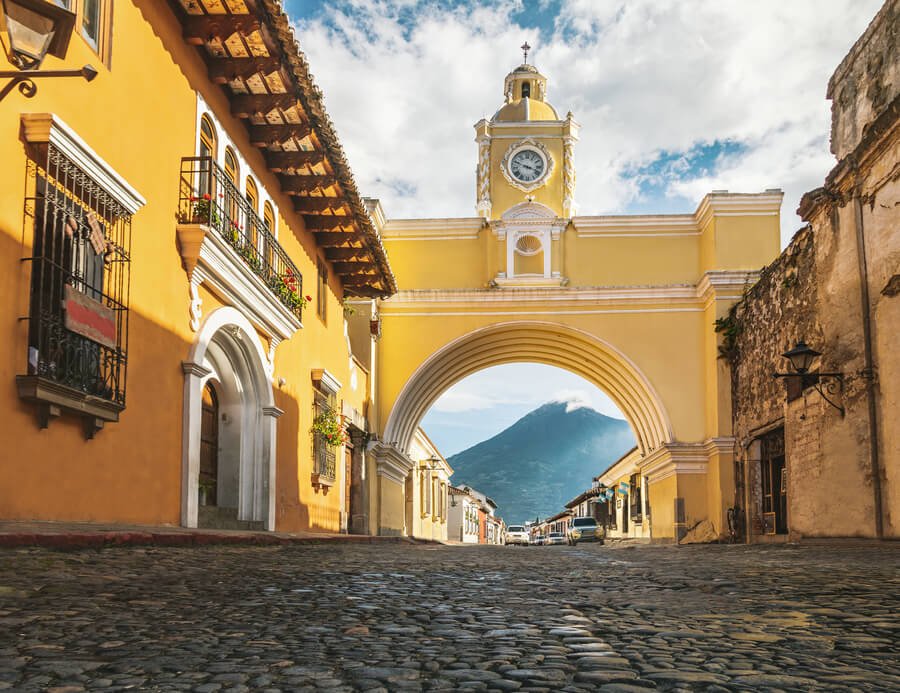
Explore the captivating ruins of Antigua Guatemala, where rich history meets stunning architecture. Discover top sites and essential travel tips for your journey!
Historical Significance of Antigua Guatemala
Antigua Guatemala, often referred to simply as Antigua, is a city rich in history, culture, and architectural grandeur. Founded in the early 16th century by Spanish conquistadors, it served as the colonial capital of Central America until a series of devastating earthquakes in the 18th century led to its abandonment. Despite these natural disasters, the ruins of Antigua have been remarkably preserved, offering a glimpse into its storied past. The city’s historical significance is profound, as it played a crucial role in the spread of Spanish influence and Catholicism throughout the region.
The city was originally established in 1543 as Santiago de los Caballeros de Guatemala, an important administrative and cultural center. It was the third site for the capital after the first two locations suffered from volcanic eruptions and other natural calamities. Antigua flourished as a hub of economic activity, with its churches, monasteries, and civic buildings showcasing the wealth and power of the Spanish Empire. The ruins of these structures, many of which have been partially restored, stand as testaments to the city’s former glory.
Antigua’s historical significance extends beyond its role as a colonial capital. The city is a UNESCO World Heritage Site, recognized for its well-preserved baroque architecture and grid-patterned streets. The preservation of Antigua’s ruins and historical sites is not only a tribute to its past but also a commitment to future generations. The blend of Spanish colonial and indigenous influences in the city’s architecture and culture makes it a unique destination for history enthusiasts and travelers alike.
Major Ruins and Historical Sites to Explore
Antigua is home to a plethora of ruins and historical sites that offer a fascinating journey through time. One of the most iconic landmarks is the Antigua Guatemala Cathedral, also known as the Cathedral of San José. Originally built in 1541, the cathedral was severely damaged by earthquakes in 1773. Today, visitors can explore its impressive facade and the remains of its grand interior, which include towering columns and intricately carved altars.
Another must-visit site is the Convento de las Capuchinas, a convent established in 1736 that features a unique circular tower and a series of underground tunnels. The convent is one of the best-preserved ruins in Antigua and provides an insight into the lives of the nuns who once lived there. The site also includes a museum that showcases religious artifacts and historical documents.
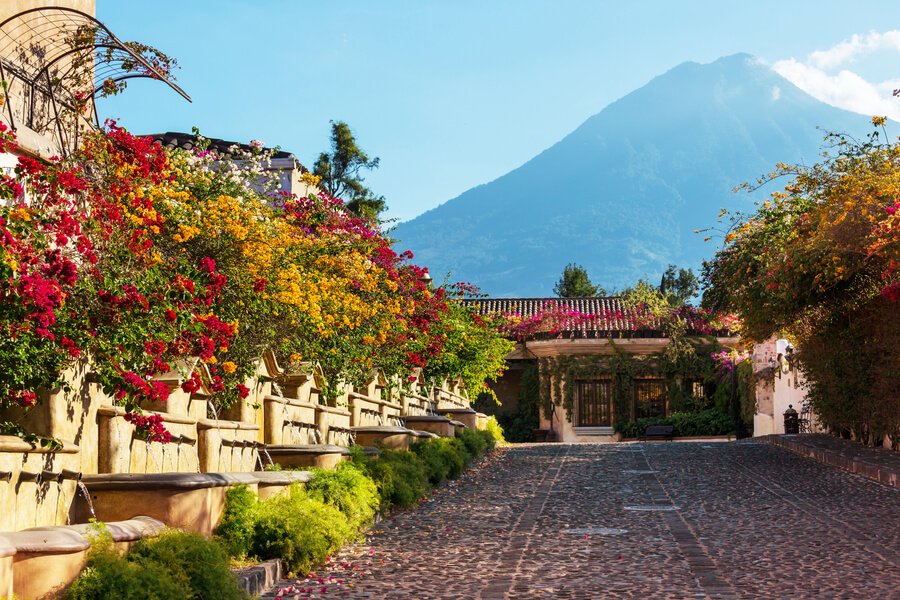
The ruins of the Church and Convent of La Merced are also worth exploring. Known for its elaborate baroque facade, La Merced was a significant religious and social center in colonial Antigua. Despite the damage caused by earthquakes, the church’s facade remains largely intact, and the adjacent convent offers a glimpse into the architectural and cultural heritage of the city. Visitors can wander through the cloisters and gardens, imagining the vibrant community that once thrived within its walls.
The Architecture of Antigua: A Blend of Cultures
The architecture of Antigua is a captivating blend of Spanish colonial and indigenous influences. This unique fusion is evident in the city’s churches, convents, and civic buildings, which feature a combination of European baroque and traditional Mesoamerican design elements. The result is a rich tapestry of architectural styles that reflect the diverse cultural heritage of the region.
One of the most striking examples of this architectural blend is the Church of San Francisco, one of the oldest and most important religious sites in Antigua. The church’s facade is adorned with intricate stucco work and statues, while its interior features a mix of Spanish and indigenous motifs. The church also houses the tomb of Saint Hermano Pedro, the first saint of Central America, making it a significant pilgrimage site.
The Palace of the Captains General is another architectural marvel that showcases the blend of cultures in Antigua. This grand building served as the administrative center of the Spanish colony and features a series of arches and columns that reflect both European and indigenous design elements. The palace is now home to various government offices and museums, offering visitors a chance to explore its historical and architectural significance.
The use of local materials and traditional construction techniques also contributes to the unique architectural character of Antigua. Many of the city’s buildings are constructed from volcanic stone and feature traditional adobe walls and red-tile roofs. This blend of materials and styles creates a harmonious and visually stunning urban landscape that has captivated visitors for centuries.
Cultural Experiences and Local Traditions
Antigua is not only a city of historical and architectural significance but also a vibrant cultural hub. The city’s rich cultural heritage is evident in its festivals, markets, and daily life, offering visitors a chance to immerse themselves in local traditions and customs. One of the most iconic cultural experiences in Antigua is the Semana Santa (Holy Week) celebrations, which are renowned for their elaborate processions and intricate alfombras (carpets) made from colored sawdust and flowers.
The local markets of Antigua are another essential cultural experience. The bustling Mercado de Artesanías is a treasure trove of handmade crafts, textiles, and traditional Guatemalan clothing. Visitors can shop for unique souvenirs while interacting with local artisans and learning about their craft. The market is also a great place to sample traditional Guatemalan foods, such as tamales, chiles rellenos, and pupusas.
Antigua’s cultural scene is also enriched by its numerous museums and galleries. The Museo de Arte Colonial, housed in a former university building, offers a fascinating collection of colonial-era art and artifacts. The Casa Santo Domingo Museum, located in a former convent, features exhibitions on pre-Columbian art, colonial history, and contemporary Guatemalan artists. These cultural institutions provide valuable insights into Antigua’s artistic and historical heritage.
Practical Travel Tips for Visiting Antigua Guatemala
When planning a trip to Antigua Guatemala, there are several practical tips that can help ensure a smooth and enjoyable experience. First and foremost, it’s essential to be aware of the city’s climate and pack accordingly. Antigua enjoys a mild, spring-like climate year-round, with temperatures typically ranging from 55°F to 75°F. However, the weather can be unpredictable, so it’s a good idea to bring layers and a rain jacket, especially if visiting during the rainy season (May to October).
Currency is another important consideration. The official currency of Guatemala is the Quetzal (GTQ). While some establishments in Antigua accept US dollars, it’s advisable to carry local currency for smaller purchases and transactions. ATMs are widely available in the city, and credit cards are accepted at most hotels, restaurants, and larger shops. It’s also a good practice to notify your bank of your travel plans to avoid any issues with your cards.
Transportation within Antigua is relatively straightforward. The city is compact and walkable, making it easy to explore on foot. For longer distances or when traveling with luggage, tuk-tuks and taxis are readily available and affordable. If you plan to venture outside of Antigua, consider renting a car or booking a guided tour. Many tour operators offer day trips to nearby attractions, such as Lake Atitlán and the Pacaya Volcano.
Best Time to Visit Antigua Guatemala
Choosing the best time to visit Antigua Guatemala can significantly enhance your travel experience. The city boasts a pleasant climate year-round, but certain times of the year offer unique opportunities and experiences. The dry season, which runs from November to April, is generally considered the best time to visit. During this period, you can expect sunny skies and comfortable temperatures, ideal for exploring the city’s ruins and historical sites.
One of the most popular times to visit Antigua is during Semana Santa (Holy Week), which typically falls in March or April. This week-long celebration is one of the most significant religious events in Guatemala and attracts visitors from around the world. The streets of Antigua come alive with elaborate processions, traditional music, and vibrant alfombras. If you plan to visit during Semana Santa, it’s essential to book accommodations well in advance, as the city can get very crowded.
The rainy season, from May to October, also has its advantages. The landscape around Antigua becomes lush and green, making it a beautiful time to explore the surrounding countryside. Rain showers are usually brief and occur in the afternoon or evening, leaving plenty of time for sightseeing during the day. Additionally, the rainy season is considered the off-peak tourist season, so you may find fewer crowds and better deals on accommodations and tours.
Safety Tips for Travelers in Antigua
While Antigua is generally considered safe for travelers, it’s always important to take precautions to ensure a worry-free trip. One of the most basic safety tips is to stay aware of your surroundings and keep an eye on your belongings, especially in crowded areas such as markets and festivals. Petty theft, such as pickpocketing, can occur, so it’s advisable to use a money belt or anti-theft bag to keep your valuables secure.
When exploring the city, stick to well-traveled areas and avoid walking alone at night. Antigua’s central areas are well-lit and patrolled by police, but it’s still best to take a taxi or tuk-tuk if you’re out after dark. If you’re venturing outside of Antigua, it’s a good idea to travel with a reputable tour company and avoid remote or unfamiliar areas.
Health and safety are also important considerations. Tap water in Guatemala is not safe to drink, so always opt for bottled or purified water. Be cautious with street food and make sure it’s freshly prepared and cooked thoroughly. It’s also a good idea to carry a basic first aid kit and any necessary medications, as pharmacies may not always have what you need. Lastly, consider purchasing travel insurance that covers medical emergencies, trip cancellations, and lost luggage.
Nearby Attractions and Day Trips
Antigua’s central location makes it an excellent base for exploring other attractions in Guatemala. One of the most popular day trips from Antigua is a visit to Lake Atitlán, often described as one of the most beautiful lakes in the world. Surrounded by volcanoes and traditional Mayan villages, Lake Atitlán offers stunning scenery and a range of activities, from boat tours and hiking to shopping for local crafts.
Another must-visit destination is the Pacaya Volcano, an active volcano located about an hour’s drive from Antigua. Guided hikes to the summit provide an exhilarating experience and the opportunity to see flowing lava up close. The hike is moderately challenging, but the views from the top are well worth the effort. Remember to wear sturdy shoes and bring plenty of water and snacks for the trek.
The archaeological site of Iximché is another fascinating day trip option. Located about an hour and a half from Antigua, Iximché was the capital of the Kaqchikel Maya kingdom before the arrival of the Spanish. The site features well-preserved ruins of temples, plazas, and ball courts, offering a glimpse into the pre-Columbian history of the region. Guided tours provide valuable insights into the significance of the site and the culture of the ancient Maya.
Conclusion: Embracing the Heritage of Antigua Guatemala
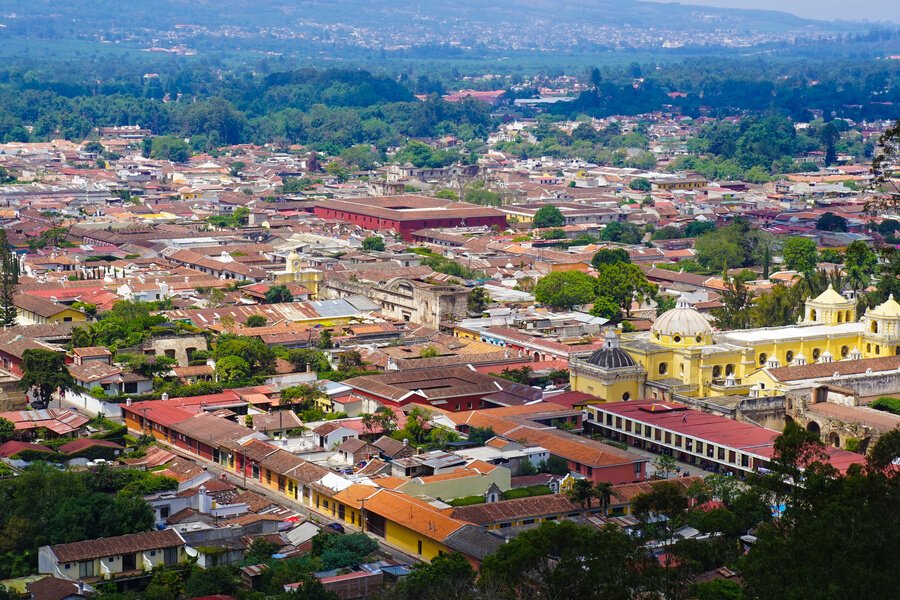
Antigua Guatemala is a city that captivates visitors with its rich history, stunning architecture, and vibrant culture. From its well-preserved ruins and historical sites to its unique blend of Spanish and indigenous influences, Antigua offers a fascinating journey through time. Whether you’re exploring the grand cathedrals and convents, immersing yourself in local traditions, or venturing to nearby attractions, there’s no shortage of experiences to enjoy.
As you plan your trip to Antigua, keep in mind the practical travel tips and safety advice to ensure a smooth and enjoyable visit. Whether you’re visiting during the bustling Semana Santa celebrations or the serene rainy season, Antigua’s charm and beauty are sure to leave a lasting impression. Embrace the heritage of this remarkable city and discover for yourself why Antigua Guatemala is a destination that continues to inspire and enchant travelers from around the world.